480 Knowlton Street
Stratford, CT 06615
Monday–Friday: 8:30am–5:00pm
Saturday: 8:30am–12:00pm
First appointment at 8:40am
Lunch break 1:00pm–2:20pm
Welcome to Stratford Animal Hospital, your trusted resource for expert knee cap dislocation surgery in Stratford. Our experienced veterinary team helps restore comfort and mobility for your pet.
Knee cap dislocation, also called patellar luxation, is a common orthopedic condition in dogs and sometimes cats. It occurs when the kneecap slips out of its normal position, causing pain, limping, or an abnormal gait. This can be the result of genetics, injury, or developmental issues, and it may affect one or both back legs.
Left untreated, knee cap dislocation can lead to cartilage damage, chronic pain, and arthritis. Surgical correction is often recommended for moderate to severe cases, especially when lameness or discomfort interferes with your pet’s daily activities. Prompt attention can help prevent further joint deterioration and improve your pet’s long-term mobility.
At Stratford Animal Hospital, our veterinary professionals provide personalized treatment plans to address your pet’s specific needs, with a focus on safety and comfort throughout the process. We’re committed to helping pets in Stratford and surrounding communities regain their best quality of life through advanced surgical care.
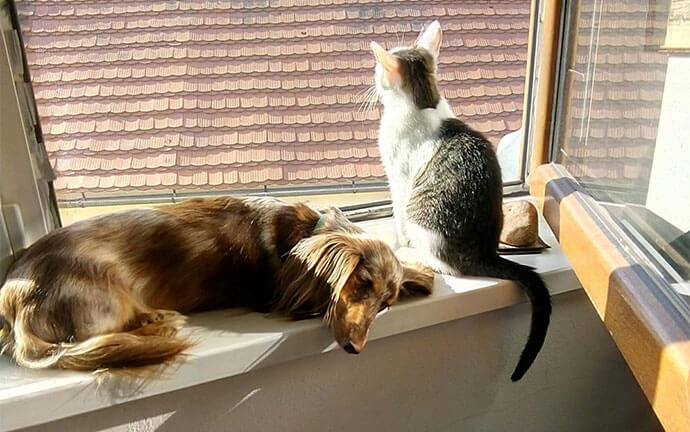
Our team guides you and your pet through every step of knee cap dislocation surgery in Stratford, ensuring a smooth experience and optimal recovery.
We start with a thorough physical exam and diagnostic imaging, such as digital radiographs, to confirm the diagnosis and assess joint health. This allows us to tailor the surgical plan to your pet’s unique anatomy and needs.
Our veterinary team develops an anesthesia protocol based on your pet's age, health, and risk factors. Throughout surgery, we use advanced monitoring equipment to track vital signs and ensure your pet’s safety at every stage.
During the procedure, our veterinarians use specialized techniques to realign the kneecap and stabilize the joint. This may involve deepening the groove where the kneecap sits or tightening surrounding tissues for lasting support.
After surgery, we provide detailed recovery instructions and pain management strategies. Our veterinary team will schedule follow-up visits to monitor healing and adjust care as needed, supporting a smooth transition back to normal activity.

Knee cap dislocation can severely impact your pet’s ability to run, jump, and play comfortably. Surgical correction addresses the root of the problem, reducing pain and preventing further joint damage. Timely intervention helps restore mobility and improves your pet’s overall well-being.
Surgery relieves pain and allows your pet to move more freely. This means a happier, more active companion who can enjoy daily walks and playtime again.
Correcting the dislocation early helps prevent arthritis and other degenerative changes. Protecting joint health now can avoid more serious problems later in life.
Our veterinary team, including Dr. Randt, VMD, is dedicated to providing tailored surgical solutions and attentive aftercare. Your pet receives the focused, individualized attention they deserve at Stratford Animal Hospital.
If you notice changes in your pet’s mobility or comfort, knee cap dislocation could be the cause. Common signs include:
If your pet is experiencing any of these symptoms, contact our team promptly. Early diagnosis and treatment can prevent further discomfort and improve your pet’s prognosis. Please note: sudden, severe pain or inability to bear weight warrants immediate veterinary attention.
Surgery for knee cap dislocation is typically a one-time procedure for the affected limb. Some pets may require treatment on both hind legs, depending on the severity and whether both knees are involved. After surgery, regular follow-up exams and preventive care help ensure lasting results.
Our veterinarians will advise you on the appropriate schedule for post-operative checkups and physical rehabilitation if needed. If you have concerns about your pet’s recovery or notice new symptoms, reach out to our team right away for guidance. We are here to support your pet’s long-term joint health.
Stratford Animal Hospital is proud to offer advanced surgical care with a personal touch. Here’s what sets our practice apart:

Knee cap dislocation, or patellar luxation, is when your pet’s kneecap moves out of place, causing lameness or pain. Treatment varies by severity; mild cases may need monitoring, while moderate to severe cases often require surgery. Our veterinarians at Stratford Animal Hospital offer advanced diagnostics and surgical solutions tailored for each pet’s needs.
The cost of knee cap dislocation surgery can vary based on your pet’s size, condition, and any additional care needed. Our team provides transparent estimates before any procedure. Recovery usually takes several weeks, with most pets returning to normal activity within two to three months. For a personalized estimate, call (203) 377-0235.
Before surgery, follow your veterinarian’s fasting instructions and keep your pet calm. After surgery, limit activity, follow all medication guidelines, and attend follow-up visits at Stratford Animal Hospital. Our team provides detailed care instructions and is always available for questions at (203) 377-0235.
Knee cap dislocation surgery corrects patellar luxation, relieves pain, and helps prevent arthritis or further joint damage. It is most effective for pets with moderate to severe lameness or persistent discomfort. Early intervention leads to better long-term outcomes for your pet’s mobility and comfort.
To schedule knee cap dislocation surgery, call Stratford Animal Hospital at (203) 377-0235. We are located at 480 Knowlton Street, Stratford, CT 06615. Our hours are Monday-Friday 8:30 AM–5 PM and Saturday 8:30 AM–Noon.
Give your pet the gift of pain-free movement and a brighter future. Stratford Animal Hospital is conveniently located at 480 Knowlton Street, Stratford, CT 06615, with appointments available Monday through Saturday. Call us at (203) 377-0235 to book your consultation. Our team is dedicated to serving Stratford and surrounding communities with trusted surgical solutions for your pet’s knee cap dislocation. Let us help your pet move comfortably again.