How a Veterinarian Helps Keep Stratford Pets Healthy Year-Round

How a Veterinarian Helps Keep Stratford Pets Healthy Year-Round
As a pet owner, you want your dog or cat to enjoy every season in good health and comfort. From the crisp fall air to the chilly winter months in Stratford, CT, each time of year brings unique challenges for our pets. Partnering with a trusted veterinarian is the best way to ensure your companion stays happy, active, and protected against preventable illness no matter the season. At Stratford Animal Hospital, our veterinary team is dedicated to providing personalized, comprehensive care for pets throughout Stratford and surrounding communities. In this blog, we will explore how a veterinarian supports your pet’s wellness all year, which preventive services are essential in the fall and winter, and how you can keep your dog or cat thriving with the support of our team at 480 Knowlton Street, Stratford, CT 06615.
Recognizing When Your Pet Needs Year-Round Veterinary Attention
Pets, much like people, have changing health needs as the seasons shift. It is easy to overlook subtle health changes, especially when routines become busy during the holidays or winter weather keeps us indoors more often. Look for signs that your dog or cat might need veterinary attention, such as lethargy, coughing, sneezing, changes in appetite, weight loss or gain, difficulty moving, excessive scratching, or bad breath. Other symptoms that can indicate underlying illness include persistent vomiting or diarrhea, increased drinking or urination, and behavioral changes like hiding or irritability.
Each season brings its own set of concerns. In the fall, seasonal allergies might cause your pet to scratch or lick more than usual. Cold weather in winter can worsen arthritis symptoms or lead to dry, itchy skin. Holiday foods, decorations, and gatherings often increase the risk of accidental poisonings or stress-related behaviors. Recognizing these seasonal patterns and being proactive helps you address health issues before they become serious.
Understanding the Causes: Seasonal Risks for Stratford Pets
Living in Stratford, pets face a variety of seasonal risks that can impact their wellbeing. During fall, mold spores and decaying leaves may trigger allergies in sensitive pets. Fleas and ticks can persist until the first hard frost, so parasite prevention remains important well into autumn. As winter sets in, colder temperatures can lead to hypothermia for pets left outdoors too long, while salt and ice-melting chemicals may irritate sensitive paws.
Indoor hazards also increase during the colder months. Many households use space heaters or fireplaces, which can pose burn or carbon monoxide risks. Pets may be exposed to toxic foods such as chocolate, grapes, onions, or xylitol (a common sweetener), especially during holidays. Additionally, bored pets may chew on electrical cords or decorations, leading to potential injuries or digestive issues.
Underlying medical conditions often worsen with seasonal changes. For example, arthritis pain can intensify during cold snaps, and respiratory issues may flare up as homes become more tightly sealed against the cold. Dental problems may also become more noticeable, with bad breath and difficulty eating standing out during periods of close indoor interaction.
The Role of Your Veterinarian in Fall and Winter Pet Care
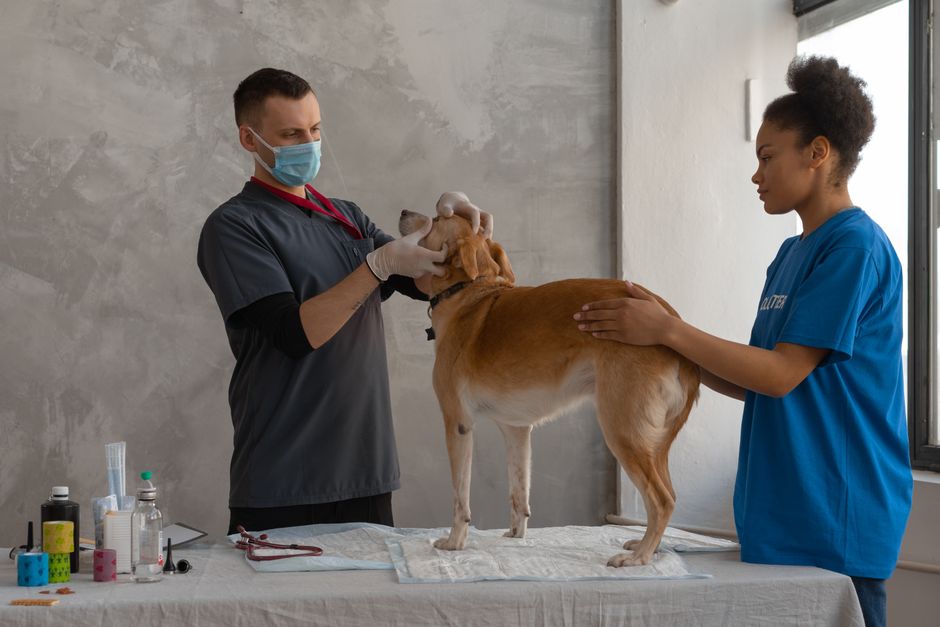
A veterinarian supports your pet’s health by providing preventive care, early detection of illness, and timely treatment. At Stratford Animal Hospital, we recommend semi-annual checkups to ensure your pet stays healthy throughout the year. These visits allow our veterinary team to monitor your dog or cat’s weight, check for developing conditions, assess dental health, and update vaccinations as needed.
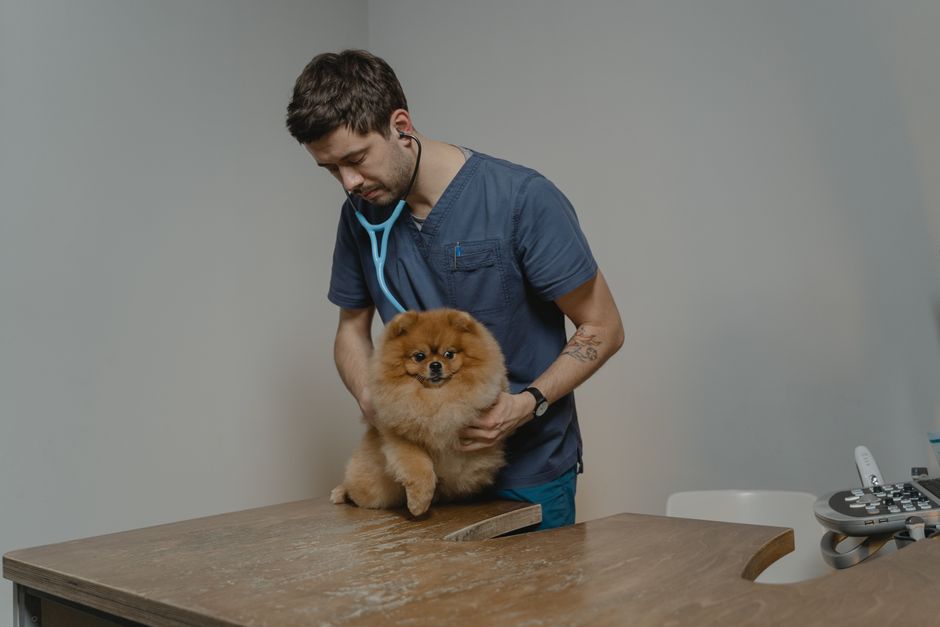
During a comprehensive pet exam, our veterinarians perform a nose-to-tail evaluation, listening to your pet’s heart and lungs, checking joints for signs of arthritis, and examining the skin and coat for evidence of allergies or parasites. Fall is a good time to confirm that your pet’s parasite prevention plan is still effective, as fleas, ticks, and even certain intestinal worms can remain active until the first frost.
Dental care is another cornerstone of year-round wellness. If your dog or cat has bad breath, red gums, or trouble eating, professional teeth cleaning services can prevent painful gingivitis and tooth loss. Our veterinary team is experienced in dental cleaning and can recommend at-home strategies to maintain your pet’s oral health between visits.
In winter, your veterinarian may discuss steps to keep your pet comfortable indoors, such as managing arthritis pain, maintaining a healthy weight with adjusted nutrition, and ensuring your pet gets enough exercise despite shorter days and colder weather. We can also help you create a safe environment by advising on pet-proofing your home during the holiday season.
Preventive Services That Protect Stratford Pets Year-Round
Prevention is always better than cure, especially when it comes to your pet’s health. Essential preventive services provided by your veterinarian include vaccinations, heartworm testing, parasite prevention, and routine wellness exams.
Vaccinations protect your pet from contagious diseases that are present year-round. Even indoor pets need vaccination services, as some viruses can be carried into the home on shoes or clothing. Core vaccines for dogs include protection against distemper, parvovirus, and rabies, while cats need vaccines for panleukopenia, calicivirus, and rabies. Our veterinarians will tailor a vaccination schedule based on your pet’s age, lifestyle, and health status.
Heartworm disease remains a risk in Connecticut, especially as climate changes extend mosquito activity later into the year. Regular heartworm testing is essential for both dogs and cats. Year-round preventive medication is the only way to safeguard your pet, as heartworm disease can be life-threatening and is far easier to prevent than to treat.
Routine wellness exams, ideally scheduled every six months, provide the opportunity to catch early signs of disease before symptoms become obvious. During these visits, our veterinary team can discuss nutrition, behavior, weight management, and any concerns you have noticed at home. Early intervention leads to better outcomes and helps keep your companion healthy and active.
Home Care Tips for Fall and Winter Pet Wellness
While regular visits to your veterinarian are crucial, there are many steps you can take at home to support your pet’s health through the fall and winter. Keep your pet’s environment clean and free of hazards by clearing away fallen leaves, storing chemicals safely out of reach, and ensuring holiday decorations are pet-proof. Monitor your pet’s skin and paws; dry air and cold pavement can lead to cracked pads or itchy skin, so consider using pet-safe moisturizers or booties for added protection.
Diet and exercise routines may need adjustment when outdoor activities are limited. Interactive toys, puzzle feeders, and short, frequent walks can help maintain physical and mental stimulation for your dog. For cats, encourage play with feather wands or treat-dispensing toys. Avoid overfeeding, as pets tend to gain weight when they are less active during the colder months.
Fresh water should always be available, and food should be stored in airtight containers to prevent spoilage. Pay attention to your pet’s behavior, as changes can signal underlying health problems. If your dog is limping after a walk on icy sidewalks or your cat is hiding more than usual, these may be signs that a veterinary visit is in order.
When to Schedule a Veterinary Visit
Knowing when to seek professional veterinary care can make all the difference for your pet’s health. Contact your veterinarian promptly if your dog or cat is exhibiting symptoms such as persistent vomiting, diarrhea, coughing, difficulty breathing, unexplained weight loss, severe itching, or sudden behavioral changes. Emergencies such as suspected poisoning, difficulty urinating, or sudden collapse require immediate attention.
For less urgent concerns, schedule an appointment if you notice gradual changes in activity, appetite, or mobility. Preventive visits, such as wellness exams or dental cleanings, should not be delayed, as early detection and intervention are key to long-term wellness. Our team at Stratford Animal Hospital is here to help you determine when a visit is necessary and to guide you in providing the best care for your companion.
If you ever face a situation that feels urgent, but you are unsure if it is an emergency, we encourage you to reach out to our veterinary team for advice. For after-hours emergencies, consult our emergency veterinary care information to find the help your pet needs right away.
Supporting Your Pet’s Wellness with Stratford’s Trusted Veterinary Team
Your pet’s wellbeing is a year-round priority, and having a reliable veterinarian in Stratford gives you peace of mind during every season. Our veterinary professionals at Stratford Animal Hospital are committed to building lasting relationships with pet owners, providing guidance, preventive care, and support as your companion’s needs change with the seasons.
Whether you are preparing your dog for winter walks or ensuring your cat is up to date on vaccinations, our team is here to help. If you are searching for a veterinarian near me who truly cares about your pet’s year-round health, look no further than Stratford Animal Hospital. Schedule your next appointment today by calling (203) 377-0235 or visiting us at 480 Knowlton Street, Stratford, CT 06615. To learn more about our semi-annual comprehensive exam services and how we can support your dog or cat’s health, explore our website or contact our veterinary team today.
This blog is intended for informational purposes only and should not be used as a substitute for professional veterinary advice. Always consult your veterinarian with specific questions or concerns about your pet’s health.