How to Tell If Your Pet Needs a Veterinarian

How to Tell If Your Pet Needs a Veterinarian
Every pet owner has faced the difficult question: “Does my pet need to see a veterinarian, or can I wait and see if things improve?” Knowing when to seek veterinary care can make all the difference in your dog or cat’s health and wellbeing. At Stratford Animal Hospital, located at 480 Knowlton Street, Stratford, CT 06615, our team of veterinarians is dedicated to helping families in Stratford and surrounding communities recognize the subtle and not-so-subtle signs that your pet needs professional attention. In this blog, we’ll guide you through the most common symptoms that signal a trip to the veterinarian is needed, explain why these signs matter, discuss what to expect during a visit, and share what you can do at home to keep your pet healthy. We’ll also help you understand when waiting is not an option and how our team at Stratford Animal Hospital supports your pet every step of the way.
Recognizing the Signs Your Pet Needs a Veterinarian
Pets can’t tell us when something feels wrong, but their bodies and behavior often send clear signals. Some symptoms require prompt veterinary care to prevent serious complications, while others may indicate a developing issue that should not be ignored. Key signs your pet needs to see a veterinarian include sudden changes in appetite or thirst, unexplained weight loss, vomiting or diarrhea lasting more than a day, difficulty breathing, coughing, or sneezing that persists, and any episodes of collapse or fainting. Additionally, owners should watch for limping, reluctance to move, obvious pain, open wounds, persistent itching or scratching, and visible lumps or swelling. Changes in urination patterns, blood in the urine or stool, and foul odors from the mouth or ears are also warning signs that something isn’t right.
Sometimes, behavioral changes are the first clue that a visit to the veterinarian is in order. These can include sudden aggression, hiding, vocalizing more than usual, or a noticeable drop in energy levels. Cats, in particular, are experts at hiding illness, so even mild changes in grooming or litter box use deserve attention. If your dog or cat refuses food for more than 24 hours, appears listless, or shows signs of discomfort when touched, it’s time to reach out to your veterinary team.
For more information on evaluating urgent symptoms, the emergency information provided by Stratford Animal Hospital can help you determine when a situation requires immediate attention. You can find helpful guidance on emergency veterinary information to support your decision-making.
Why Do These Symptoms Occur? Understanding the Underlying Causes
The symptoms that prompt a visit to the veterinarian can arise from a wide range of underlying health issues. Loss of appetite, for example, might be due to dental pain, gastrointestinal upset, infections, stress, or even metabolic diseases like diabetes or kidney dysfunction. Vomiting and diarrhea are common responses to dietary indiscretion, but they may also signal viral or bacterial infections, parasites, food allergies, or more serious concerns such as intestinal blockages.
Respiratory symptoms, such as coughing or labored breathing, may result from kennel cough, feline asthma, heart disease, or pneumonia. Lameness, reluctance to move, or pain can originate from joint issues, injuries, arthritis, or even hidden fractures. Sudden behavioral changes often reflect underlying discomfort, pain, or neurological problems.
Cats and dogs can also develop chronic health conditions that progress silently until symptoms become obvious. For instance, dental disease may go unnoticed until a pet stops eating or develops foul breath, while kidney disease can remain hidden until a pet starts drinking and urinating excessively. Early detection during routine veterinary examinations is key to managing these conditions before they become severe.
What Happens When You Visit the Veterinarian?
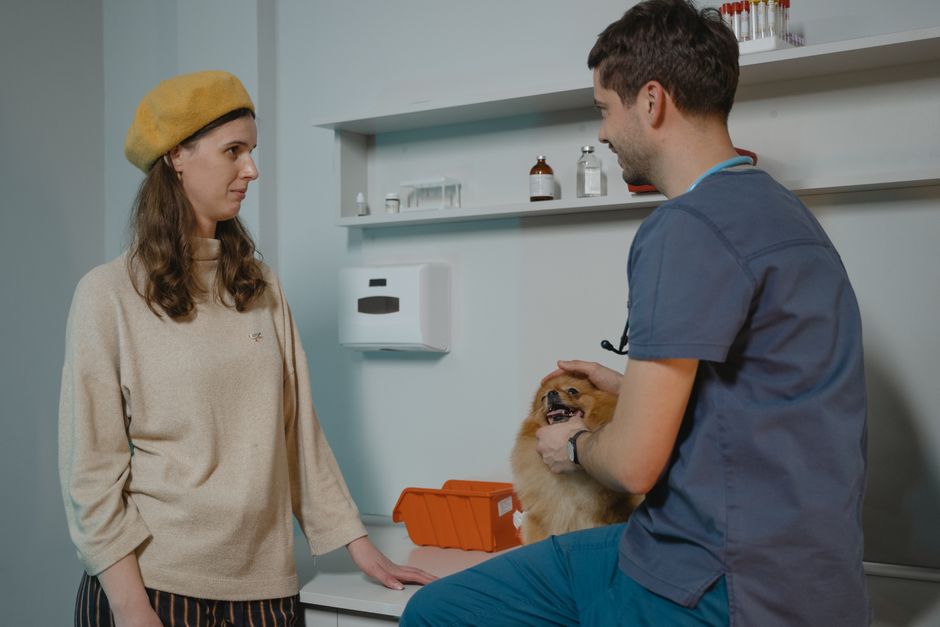
When you bring your pet to Stratford Animal Hospital, our team of veterinarians will start by gathering a thorough history of your pet’s symptoms, lifestyle, and previous health issues. This conversation helps us focus our physical examination and choose the most appropriate diagnostic tests.
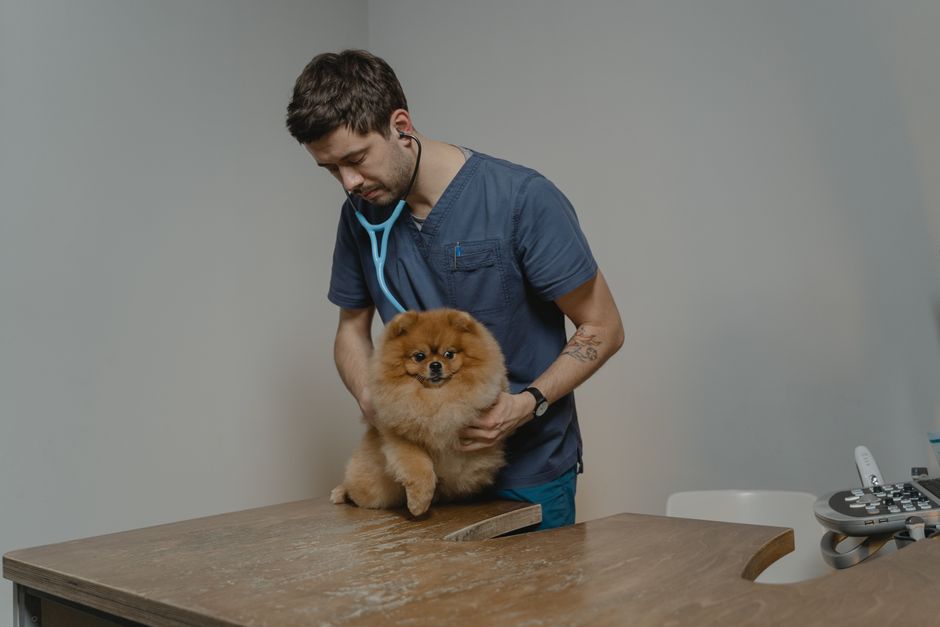
A comprehensive physical exam will include checking your pet’s temperature, heart rate, respiratory rate, body condition, and examining all major body systems. Our diagnostic capabilities include in-house laboratory testing, digital radiology, and advanced imaging, which allow us to quickly evaluate your pet’s health. For example, if your cat is lethargic and not eating, we may recommend bloodwork through our diagnostic laboratory services to check for infections, organ function, or metabolic imbalances. If a limp is present, our digital radiology can help identify fractures, arthritis, or soft tissue injuries.
Depending on the findings, treatment may involve medication, dietary changes, wound care, or surgical intervention. In some cases, further monitoring or specialized testing is needed. We prioritize clear communication, so you’ll understand every step of your pet’s care plan and what to expect during recovery.
Preventive Care and Home Strategies for Pet Owners
While it’s impossible to prevent every illness or injury, there are many ways you can support your pet’s health at home. Providing balanced nutrition, consistent fresh water, and regular exercise are foundational. Monitoring your dog or cat for subtle changes in behavior, appetite, weight, or energy is equally important. Early intervention can make a dramatic difference in outcomes for many conditions.
Routine veterinary care is the cornerstone of prevention. Scheduling a semi-annual comprehensive veterinary examination allows us to detect early signs of disease, update vaccinations, and address dental health before problems become severe. Keeping up with parasite prevention, dental hygiene, and weight management at home further reduces the risk of emergencies.
At home, watch for changes in litter box habits, new lumps or bumps, unusual odors, coughing, or persistent scratching. If you notice a small wound, keep the area clean and monitor for redness, swelling, or discharge. However, if injuries do not heal promptly or your pet appears to be in pain, it’s time to contact your veterinarian.
When Should You Seek Veterinary Care Immediately?
It can be difficult to decide when to wait and when to call the veterinarian right away. Some symptoms always warrant immediate attention. These include repeated vomiting or diarrhea, difficulty breathing, loss of consciousness, seizures, significant bleeding, suspected ingestion of toxins, bloated or painful abdomen, inability to urinate, or sudden collapse. Rapid action in these situations can be lifesaving.
Other scenarios that require prompt veterinary evaluation are persistent coughing, refusal to eat or drink for over 24 hours, severe lethargy, or sudden changes in coordination. If your cat is straining in the litter box without producing urine, or your dog is panting excessively and unable to settle, do not wait. Our veterinary team at Stratford Animal Hospital is equipped to assess urgent situations and provide the care your pet needs.
If you are ever unsure, it is always safer to contact your veterinarian for guidance. For additional support in recognizing emergencies, the emergency veterinary information page provides valuable resources.
Stratford Animal Hospital: Compassionate Care for Your Pet
Your dog or cat’s health is our top priority at Stratford Animal Hospital. We know how much you care about your pet, and we are dedicated to helping you make the best decisions for their wellbeing. If you notice any of the symptoms discussed here, or if you have concerns about your pet’s health, we encourage you to schedule an appointment with our team of veterinarians. Whether you are looking for a trusted veterinarian in Stratford or searching for a “vet near me,” you can rely on us for expert care and clear answers.
Our practice at 480 Knowlton Street, Stratford, CT 06615 welcomes pets from Stratford and surrounding communities. We offer comprehensive services, from routine exams to advanced diagnostics. To schedule an appointment or speak with our veterinary team about your pet’s symptoms, call us at (203) 377-0235. For ongoing preventive care, consider booking a comprehensive physical exam to catch potential health issues early.
When your pet needs a veterinarian, Stratford Animal Hospital is here for you—providing compassionate, expert care every step of the way.