When to Call a Veterinarian: Signs Your Pet Needs Help

When to Call a Veterinarian: Signs Your Pet Needs Help
Is your dog or cat acting differently, and you’re not sure what to do next? Many pet owners in Stratford face moments of uncertainty when their beloved companion starts showing unusual symptoms. Knowing when to call a veterinarian can make all the difference for your pet’s health, comfort, and recovery. At Stratford Animal Hospital, located at 480 Knowlton Street, Stratford, CT 06615, our team of veterinarians is dedicated to helping pets and their families in Stratford and surrounding communities. In this guide, we’ll cover the most important signs that mean it’s time to seek veterinary care, explain common causes behind these symptoms, discuss what to expect during your visit, and share steps you can take at home to protect your pet’s wellbeing.
Recognizing Signs Your Pet Needs a Veterinarian
Pets can’t tell us when something’s wrong, so it’s up to you to watch for changes in behavior, appearance, or routine. Some symptoms may seem mild but could signal an underlying health issue that needs timely attention from a veterinarian.
Warning Signs in Dogs and Cats
Key symptoms that should prompt you to call a veterinarian include repeated vomiting or diarrhea, loss of appetite for more than 24 hours, sudden lethargy, difficulty breathing, or persistent coughing. Other important warning signs are limping or difficulty walking, visible wounds that do not heal, excessive drooling, or signs of pain such as whimpering or hiding. Cats may also show more subtle signs like hiding in unusual places, neglecting grooming, or avoiding the litter box. If you notice your pet straining to urinate or defecate, or if you see blood in their urine or stool, these situations are urgent and require prompt veterinary attention.
Sudden changes in drinking habits, such as drinking much more or less water than usual, can indicate kidney disease, diabetes, or other health conditions. Neurological symptoms, including seizures, disorientation, or loss of balance, also demand immediate care. If your pet collapses, experiences heatstroke, or is involved in a trauma such as being hit by a car, do not wait—seek help from a veterinarian right away.
Understanding Why These Symptoms Occur
Pets show symptoms for many reasons, ranging from simple stomach upset to serious medical emergencies. Understanding why these changes happen can help you recognize when professional care is needed and avoid unnecessary worry.
Underlying Causes of Common Pet Symptoms
Vomiting and diarrhea in pets may result from dietary indiscretion, infections, parasites, or chronic conditions like inflammatory bowel disease. Loss of appetite might point to dental pain, internal organ problems, or stress. Lethargy often accompanies infections, pain, or metabolic diseases such as hypothyroidism in dogs or hyperthyroidism in cats.
Breathing difficulties can stem from heart disease, lung infections, or allergic reactions. Limping may be caused by arthritis, injury, or ligament tears. Persistent wounds or sores that fail to heal could indicate infection or even certain types of cancer. Increased thirst and urination are classic signs of diabetes or kidney disease, especially in older pets.
Understanding these causes is not a substitute for a veterinarian’s diagnosis. Our veterinary team at Stratford Animal Hospital uses comprehensive exams, diagnostic laboratory testing, and advanced imaging techniques such as digital radiology and ultrasound to get to the root of your pet’s symptoms and recommend the best course of treatment.
What to Expect When You Visit the Veterinarian
Scheduling an appointment with a veterinarian can feel stressful if you don’t know what to expect. At Stratford Animal Hospital, our approach is centered on compassionate care and clear communication, ensuring that both you and your pet feel supported.
The Veterinary Visit: Exams, Diagnostics, and Next Steps
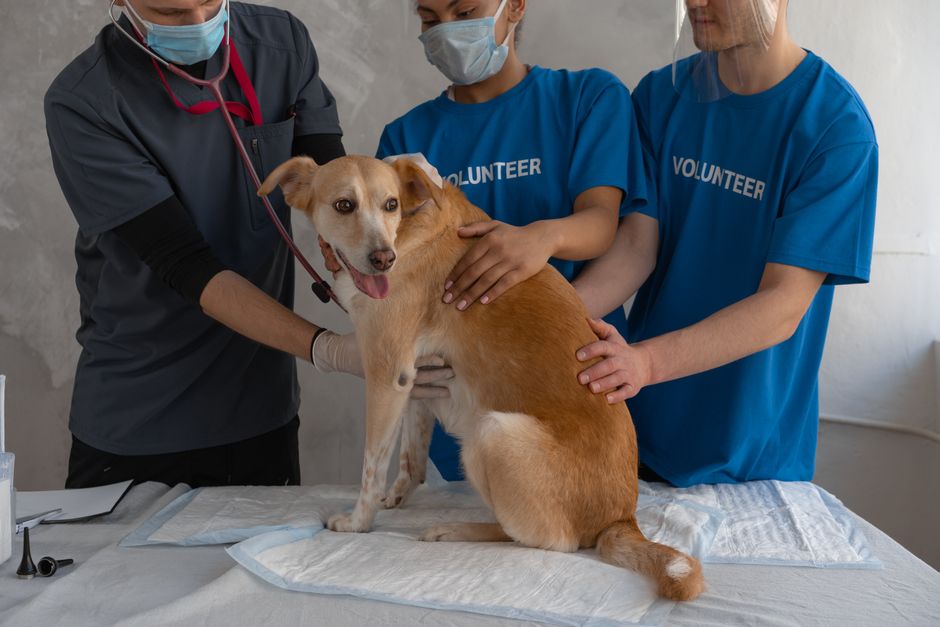
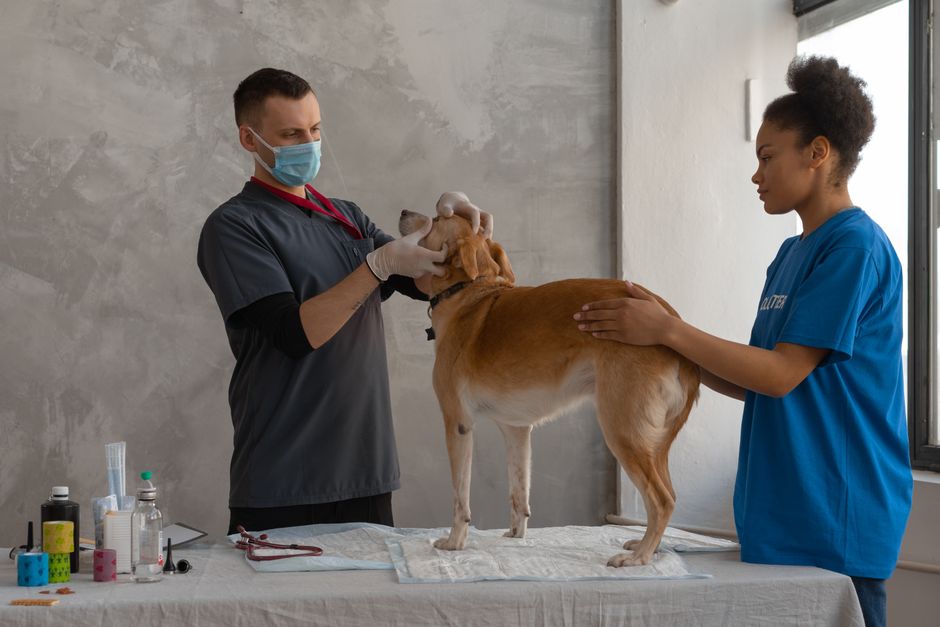
When you arrive at our hospital, your pet will receive a thorough physical exam to assess their overall health and pinpoint any areas of concern. Depending on the symptoms, our veterinarians may recommend bloodwork, urinalysis, or diagnostic imaging. Services such as diagnostic laboratory testing help us evaluate internal organ function, rule out infections, and check for underlying diseases.
For cases involving limping, trauma, or unexplained pain, digital radiology allows us to identify fractures, joint problems, or internal injuries. Abdominal concerns, such as suspected blockages or masses, may be further evaluated using ultrasound to provide a clearer picture of your pet’s internal organs.
After gathering results, we will discuss a personalized treatment plan with you, explaining all options and answering your questions. Whether your pet needs medication, a dental procedure, surgery, or supportive care, our goal is to keep you informed and involved in every decision.
Prevention and Home Care: Supporting Your Pet Between Visits
While some pet health problems can’t be prevented, many issues can be managed or even avoided with proactive home care and regular veterinary visits. Keeping a close eye on your pet’s daily habits and environment is essential.
Tips for Keeping Your Pet Healthy
Routine wellness exams are the foundation of preventive care. These checkups allow our veterinarians to monitor your pet’s health, catch early signs of disease, and provide guidance on diet, exercise, and parasite control. Dental care is another important aspect, as dental disease can lead to pain, infection, and systemic illness. Brushing your pet’s teeth at home, offering dental treats, and scheduling professional cleanings can make a big difference.
Keep your pet’s environment safe by securing trash, avoiding toxic foods or plants, and supervising outdoor activities. Make sure your pet receives all recommended vaccinations and parasite preventives to reduce the risk of infectious diseases. Monitor your pet’s appetite, water intake, energy level, and behavior every day. If you notice even small changes, make note of them and reach out to your veterinarian for guidance.
For more information about preventive care and how regular checkups help detect health concerns early, visit our comprehensive physical exams page.
When Is It Time to Call the Veterinarian?
Knowing when to seek veterinary help can be life-saving for your pet. Some situations, such as trauma, breathing difficulties, or sudden collapse, require immediate attention. For less urgent symptoms, it’s best to contact your veterinarian as soon as you notice changes that persist beyond a day or two, or if your pet seems uncomfortable or in distress.
Guidelines for Seeking Professional Help
If your pet is not eating, appears weak, or has persistent vomiting or diarrhea, schedule an appointment promptly. Any signs of pain, unexplained lumps or bumps, limping, or changes in urination and defecation should also be evaluated by a veterinarian. Never wait if your pet is having trouble breathing, cannot stand, experiences seizures, or loses consciousness.
Remember, trusting your instincts as a pet owner is important. You know your dog or cat’s normal behaviors and routines better than anyone. If something feels wrong, our veterinary team at Stratford Animal Hospital is here to help you decide on next steps. For urgent or emergency situations, it’s always better to call and ask for guidance. For more information about what to do in an emergency, see our emergency veterinary care page.
Compassionate Care for Stratford’s Pets: Your Local Veterinarian
Prompt attention to changes in your pet’s health can mean a faster recovery and greater peace of mind for you as a pet owner. Whether you’re worried about a new symptom or want to discuss preventive care, Stratford Animal Hospital’s team of veterinarians is ready to support your family. If you are searching for a "veterinarian near me" in Stratford and want a local team that truly cares, we invite you to reach out.
To schedule an appointment or speak with our veterinary team, call (203) 377-0235 or visit us at 480 Knowlton Street, Stratford, CT 06615. We’re here to help you recognize symptoms, answer your questions, and provide comprehensive care for your dog or cat—so you can enjoy more healthy, happy moments together. For ongoing guidance, check out our comprehensive physical exams service or talk with one of our veterinarians about your pet’s specific needs. Remember, your veterinarian is your best partner in keeping your pet safe, comfortable, and thriving throughout every season.